
RECOVER Project
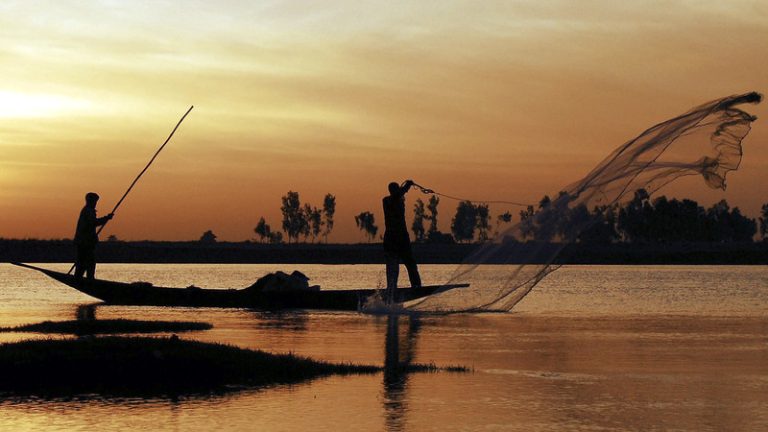
The RECOVER Fisheries Project (OSRO/SOM/215/USA) is a 12-month initiative funded by USAID and implemented by the Ministry of Fisheries and Blue Economy, Jubaland, with technical support from FAO. The project aims to reduce the vulnerability of fishing communities affected by drought and external shocks by promoting climate-smart fisheries production, income diversification, and disaster risk reduction (DRR) strategies. Operating in Kismayo, Lower Juba, the project directly supports 10 fishery cooperatives and 5 private sector actors, benefiting women, youth, pastoralists, and agro-pastoralists.
A key focus of the project is capacity building, where fishers have received training on sustainable fishing techniques, onboard fish handling, sea safety, and improved post-harvest fish processing. The project also strengthens market linkages by facilitating partnerships between fishery cooperatives and certified companies, opening new sales channels for locally processed fish products. Additionally, the initiative has enhanced fisheries governance by empowering cooperatives and promoting co-management strategies to ensure long-term sustainability.
To improve resilience, the project has conducted disaster risk analysis and emergency response training, equipping fishers with contingency plans to mitigate climate-related risks. Furthermore, essential infrastructure support, including fiberglass motorized canoes, cold storage units, and financial management training, has been provided to enhance productivity and economic stability. Through social marketing campaigns on platforms such as the Ministries Twitter, Facebook, and Jubaland Based Media Houses, the project has successfully promoted value-added fish products, boosting local market engagement.
The impact of the RECOVER Fisheries Project is evident in its contribution to job creation, income growth, food security, and community resilience. By strengthening fisheries governance, fostering market development, and enhancing technical skills, the project ensures a sustainable and prosperous future for Somalia’s coastal communities. Moving forward, recommendations include expanding cold storage facilities, increasing access to financial resources, and continuing capacity-building efforts to maximize long-term benefits.